A Strict No Compromise

QUALITY: OUR FOCUS

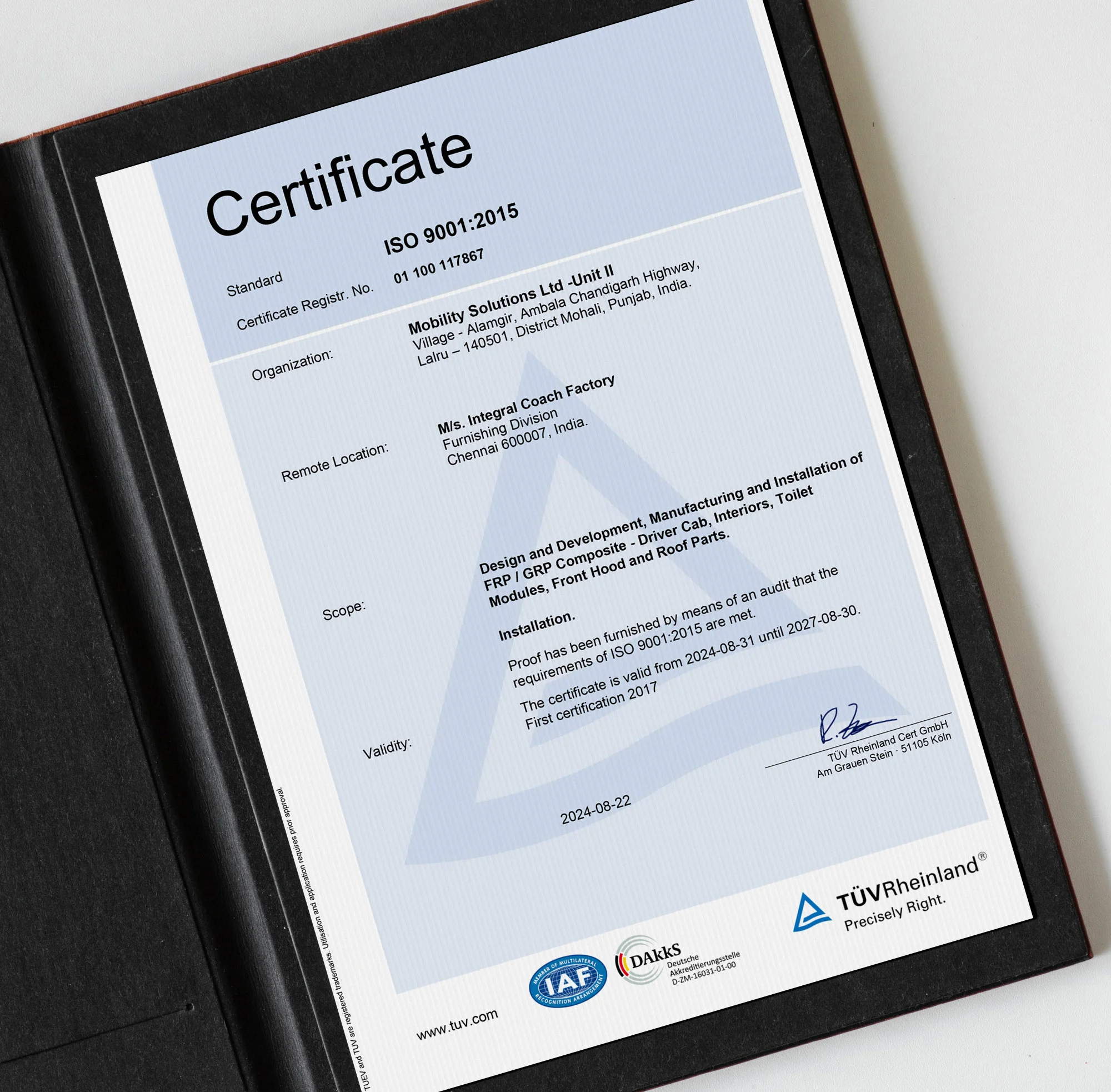
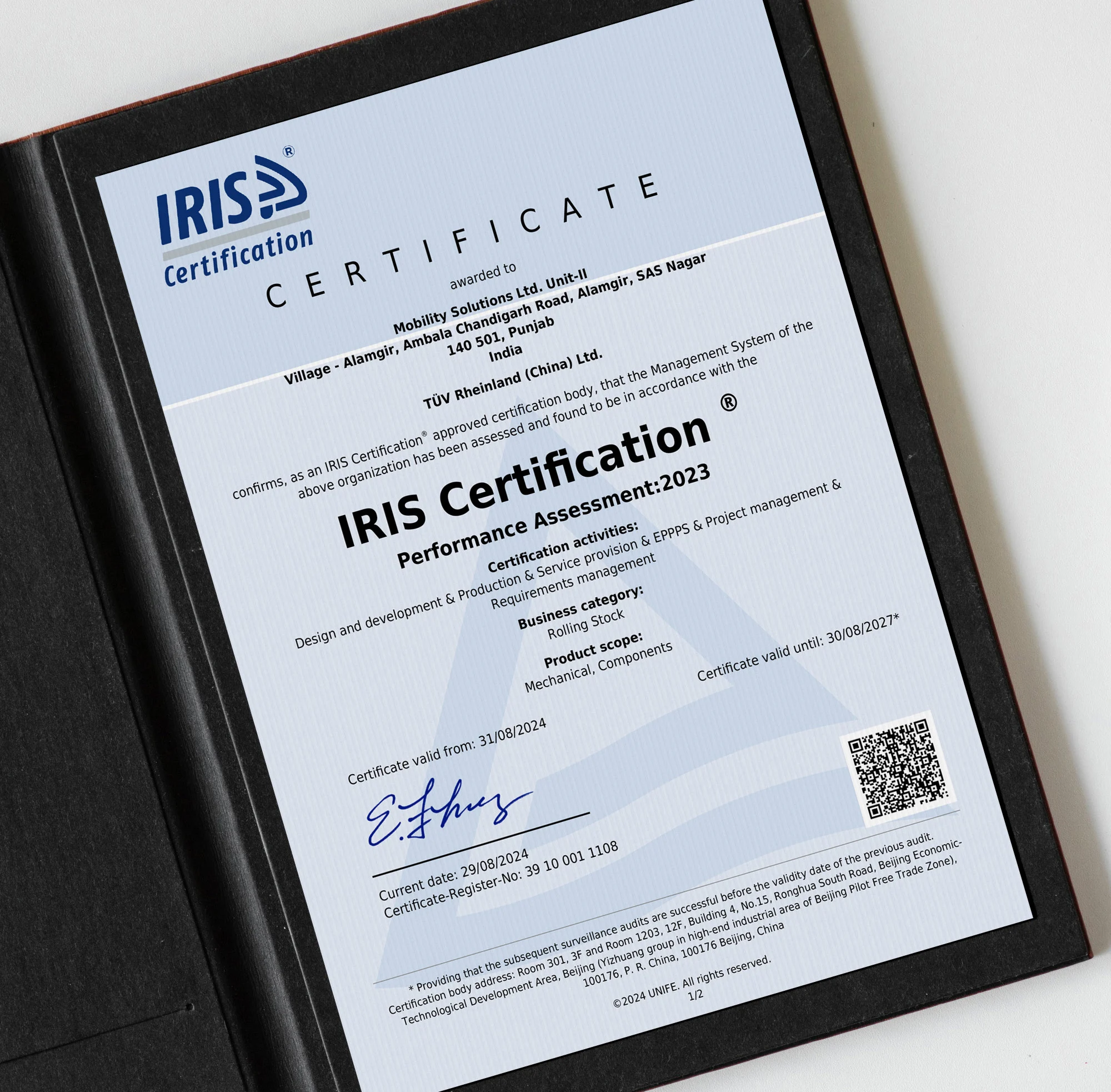
As a manufacturer, we understand that the right supplies are critical to the success of any project. As a trusted composite manufacturer in India and a ‘Make in India’ composite manufacturer, we are accredited with IRIS and ISO certifications, reinforcing our commitment to delivering consistent quality across all applications. Our capabilities extend to high-performance solutions such as FRP front mask for trains and other mission-critical components.
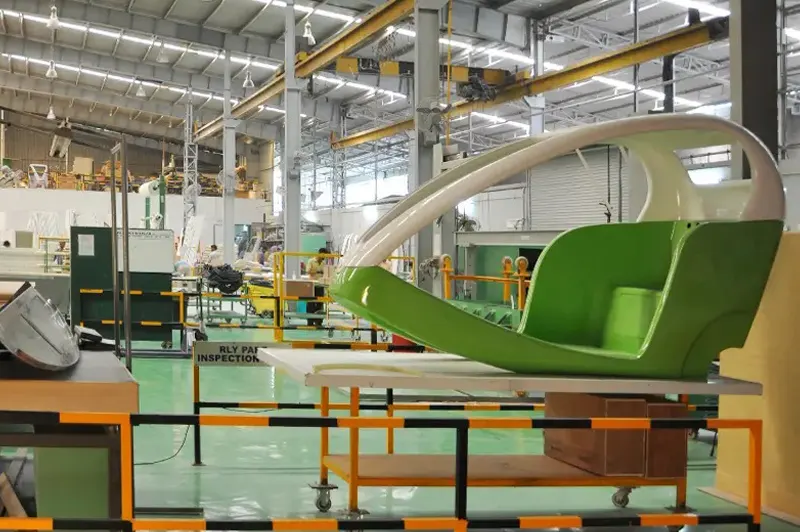
To ensure the highest product quality, all manufacturing processes are validated at regular intervals through rigorous internal audits. We follow Process Failure Mode and Effect Analysis (PFMEA) to define robust Quality Control Plans, ensuring that desired product standards are achieved through inspection of incoming raw materials, in-process checks, and final product validation. Our focus on advanced composites India OEM solutions enables us to deliver reliable and lightweight composite parts for transportation, meeting stringent industry and safety requirements.

Our Quality Policy

“We always remain committed towards Total Satisfaction of our Customers, Associates and Society at Large.”

As a composite manufacturer in India, we maintain a strict focus on quality assurance and adherence to regulatory standards. In addition to external monitoring by relevant authorities, all our products undergo stringent quality checks throughout the manufacturing process, supported by internal audits and systematic controls. We ensure multiple inspection stages for both incoming raw materials and final products, so that only components meeting 100% quality assurance standards are delivered to our customers.

Our Commitment

We remain committed to adding measurable value across every project executed for our stakeholders. As a Make in India composite manufacturer, our focus is on delivering products that are reliable, ready for use, and aligned with project timelines. We continuously invest in upgrading our technology, processes, and workforce to enhance product performance, ensure safety, and contribute towards a more sustainable and responsible manufacturing ecosystem.

Delivering lightweight composite parts for transportation and other high-performance applications requires strict quality discipline at every stage, and our systems are designed to ensure consistent, reliable outcomes across all projects.

Key Elements of our Quality Control

  • Qualified team of engineers across all functional domains.
  • Certified engineers for specialized testing and validation processes.
  • Dedicated teams for incoming raw material inspection, in-process checks, and final product inspection.
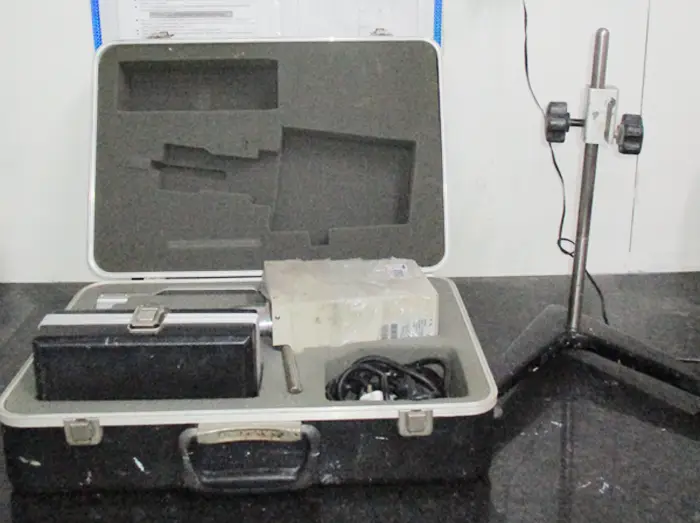
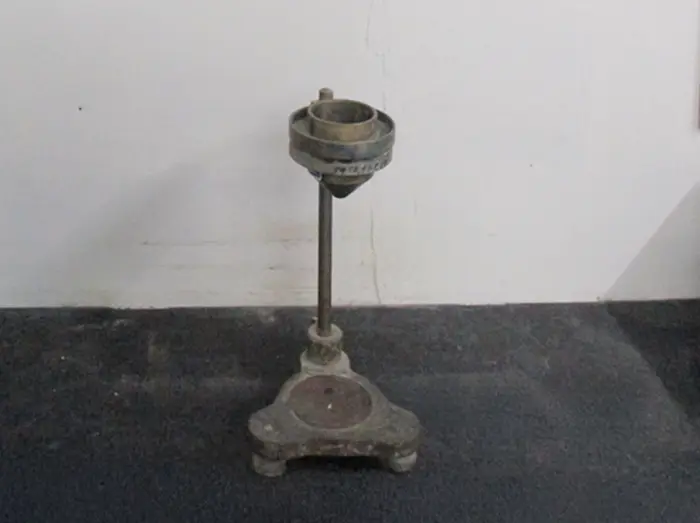
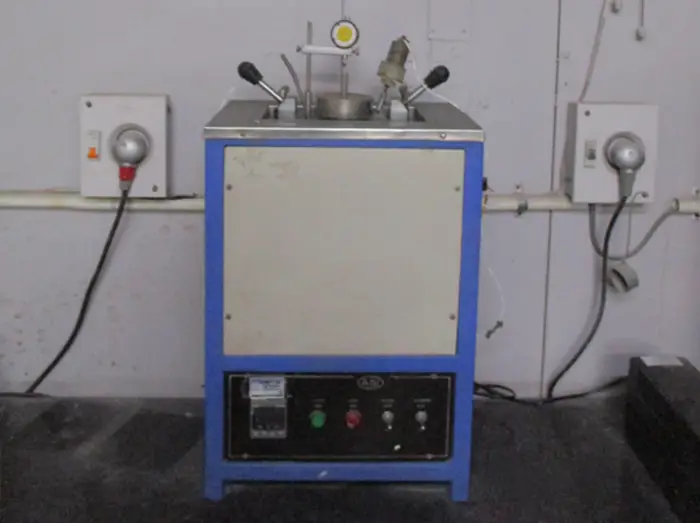
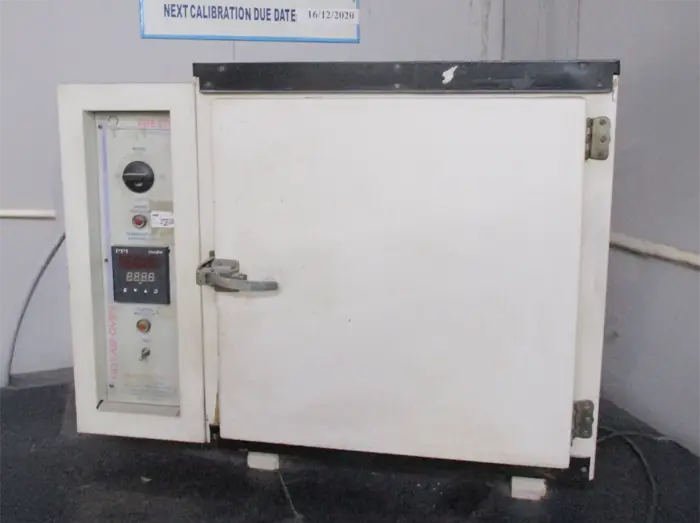
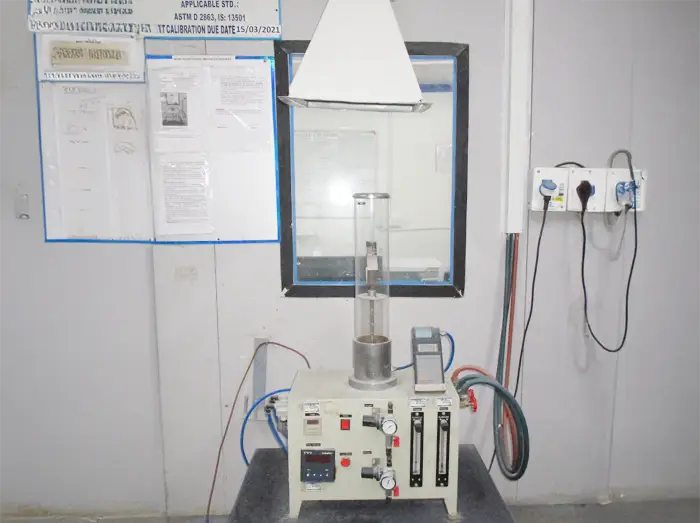
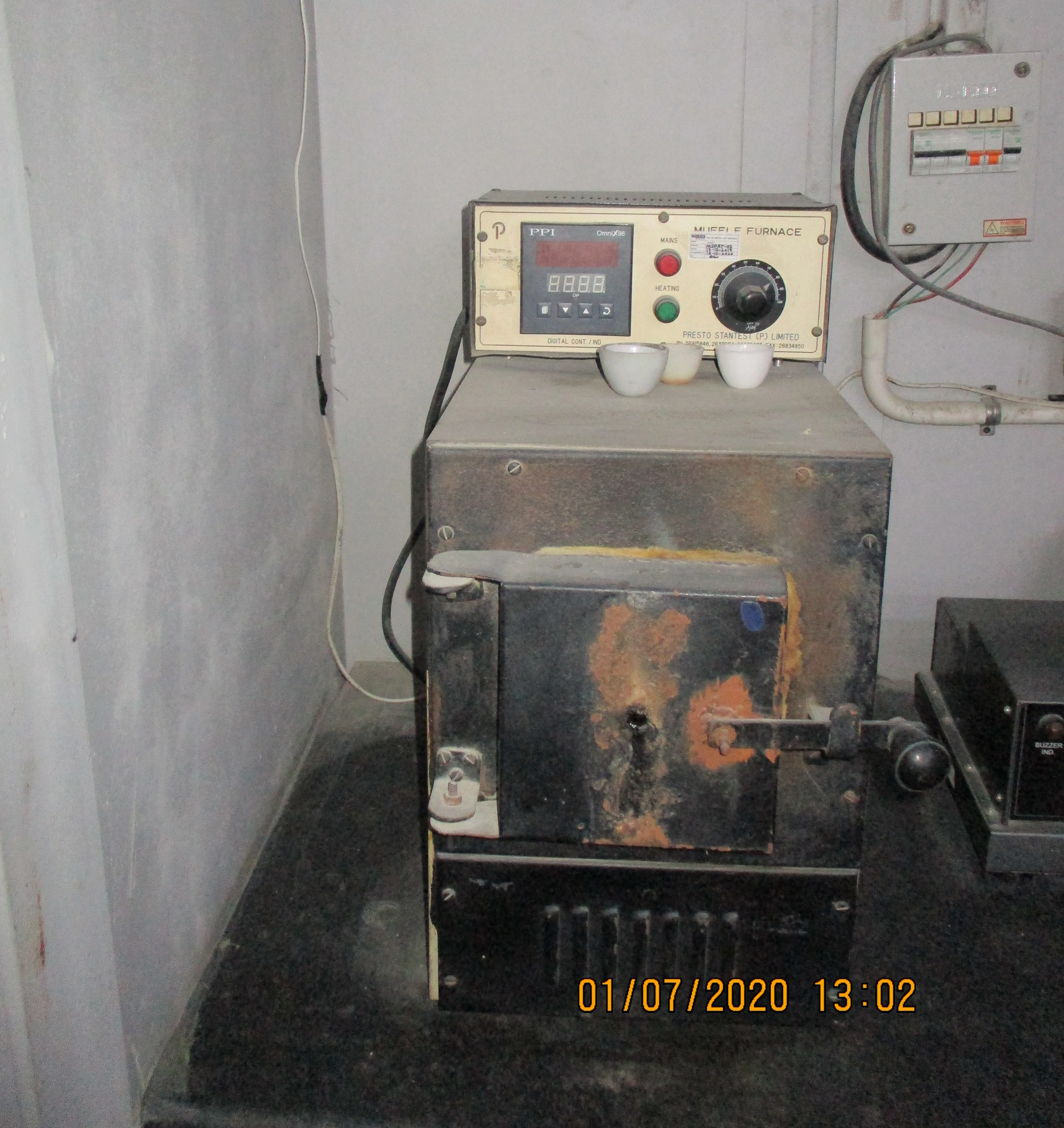
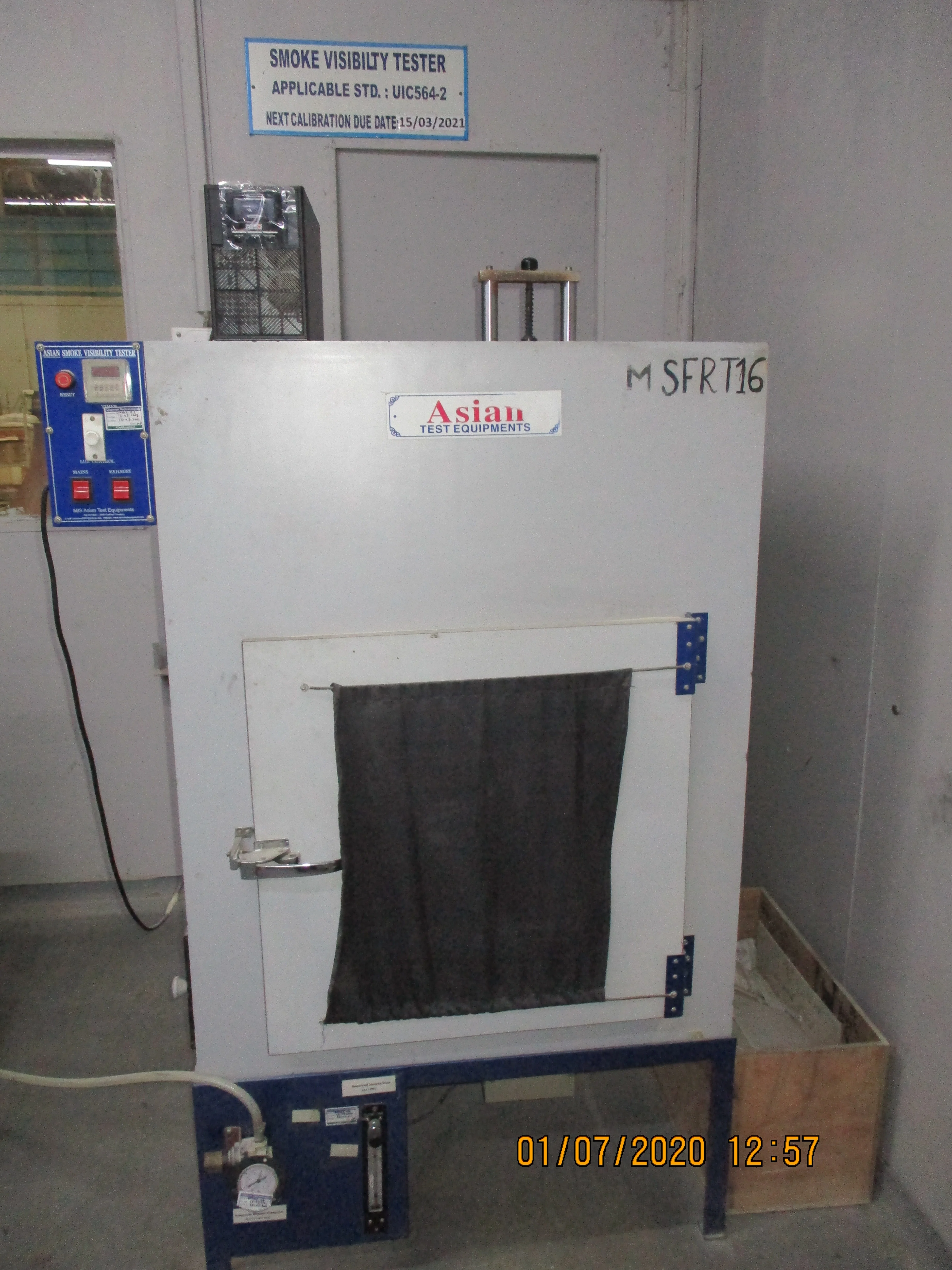
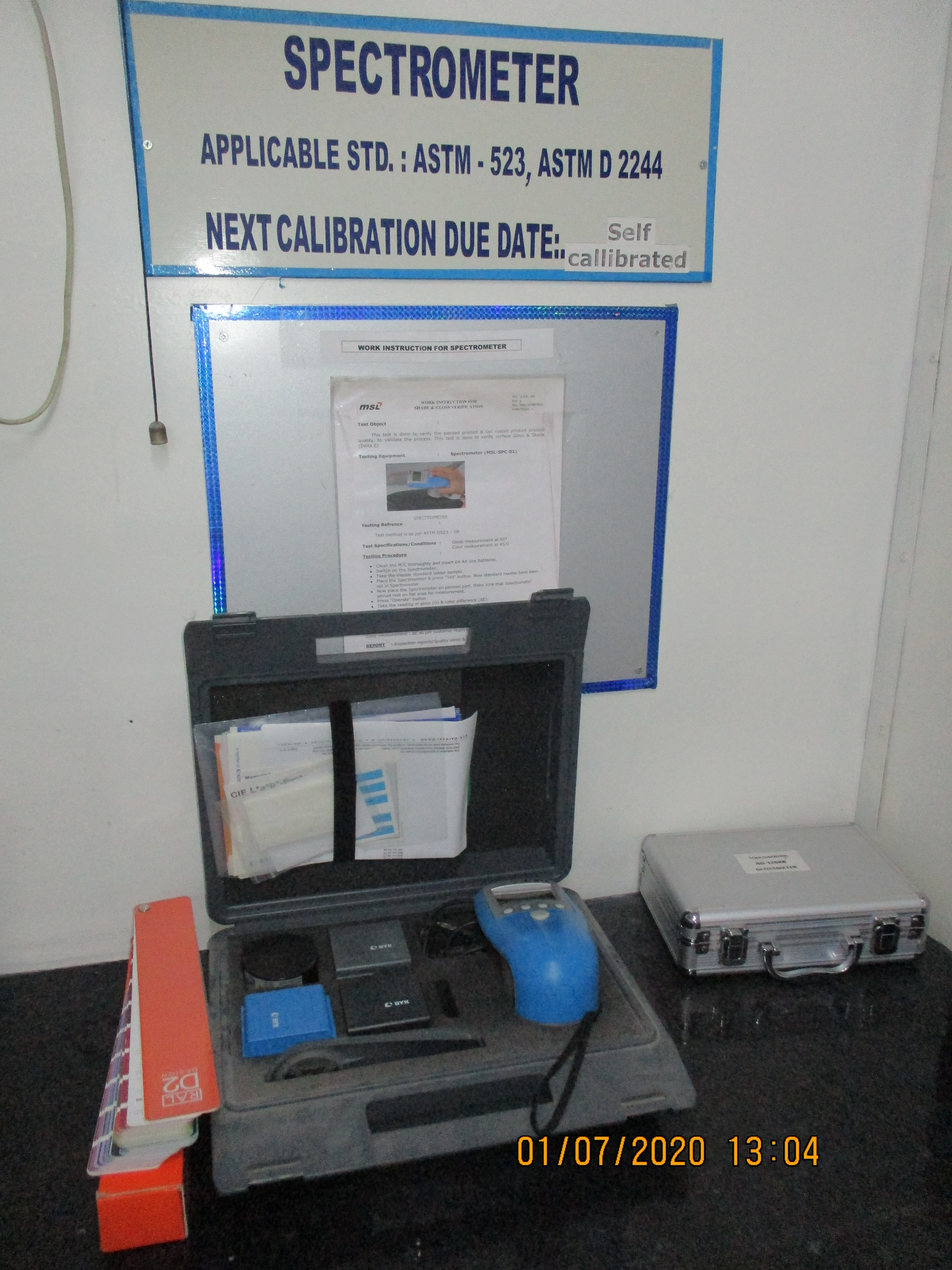
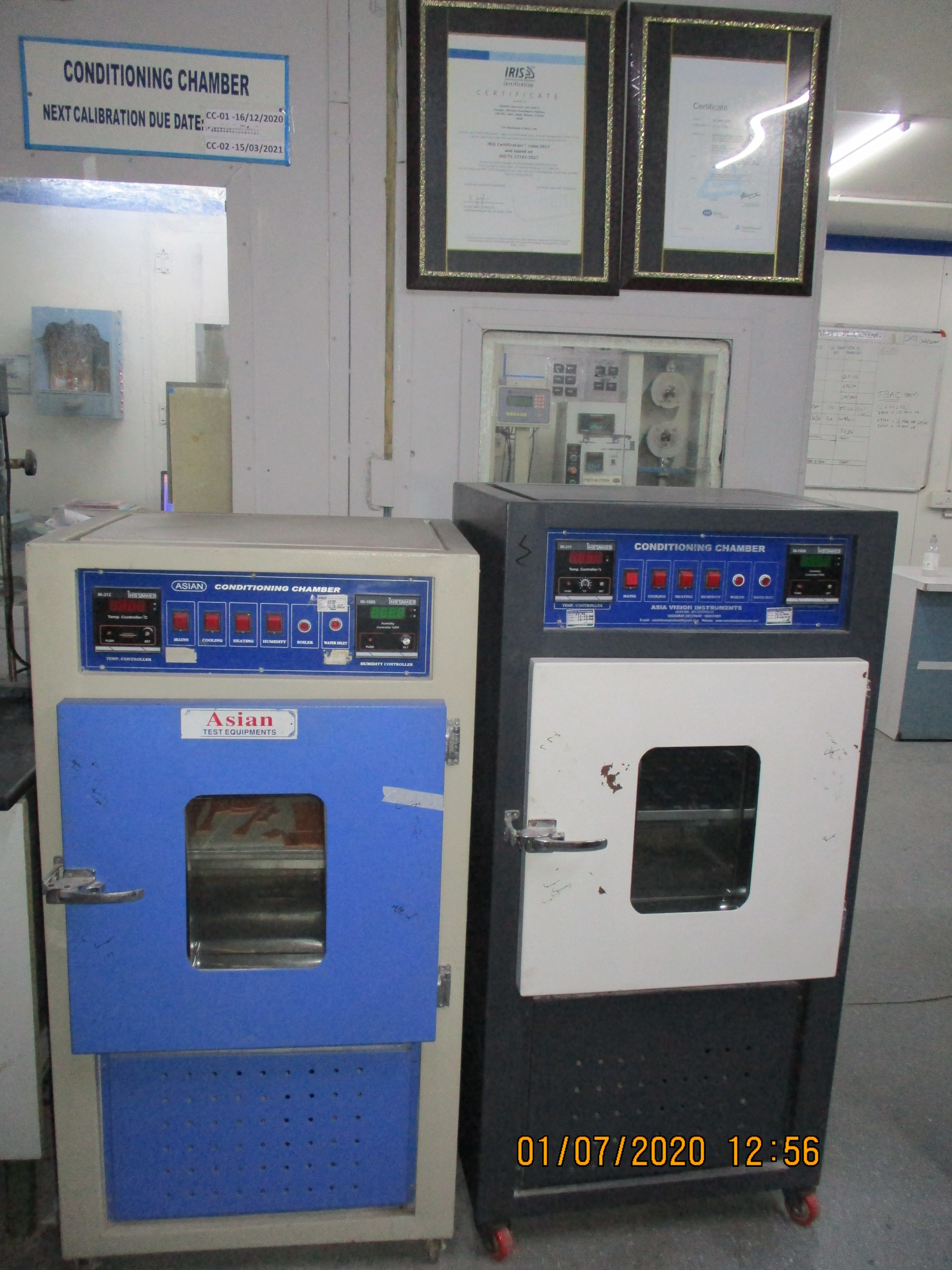
  • Timely calibration of all instruments and equipment to maintain accuracy and compliance.
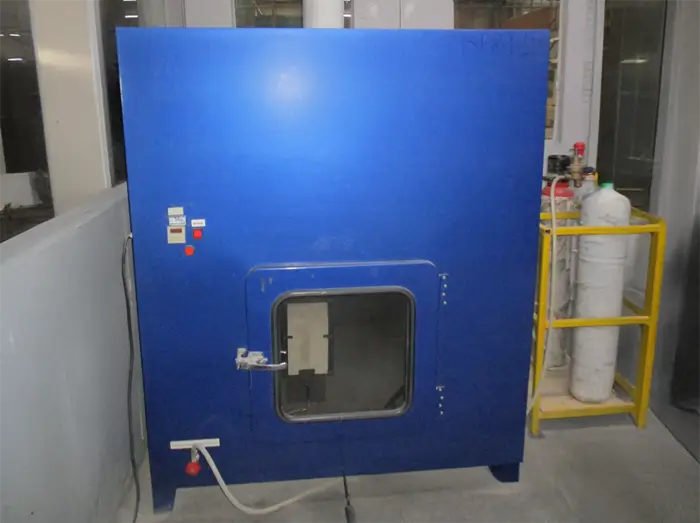
  • In-house laboratory team responsible for testing and calibration of measurement systems.
  • Data analysis and root cause analysis of non-conformities and failures.
  • Structured action plans to eliminate process defects and improve consistency.
  • Development of training modules and regular upskilling of technicians.
  • Documentation aligned with ISO and IRIS standards to ensure complete traceability.
  • Internal audits to maintain and enhance quality benchmarks.
  • Support to R&D in selection and validation of raw materials.
  • Support to supply chain in vendor development, selection, and audits.
  • Proper disposition and documentation of tested samples.
Quality – Reliability – Performance

Why choose our products?

  • Stronger than other materials like steel, aluminium, etc.
  • Structures made with composites have a long life and require little maintenance.
  • High temperature, flame resistance and impact resistance.
  • Cost effective quality products.
  • High Strength-to-Weight Ratio.
  • Corrosion Resistant.
  • Highly durable.
  • Lightweight composition.
  • Low cost of maintenance and long life.
  • Number of quality checks applied before delivery.
  • Tried, Tested and Trusted.
  • A decade of producing quality products.

Ensuring Quality At Every Stage Of The Production.

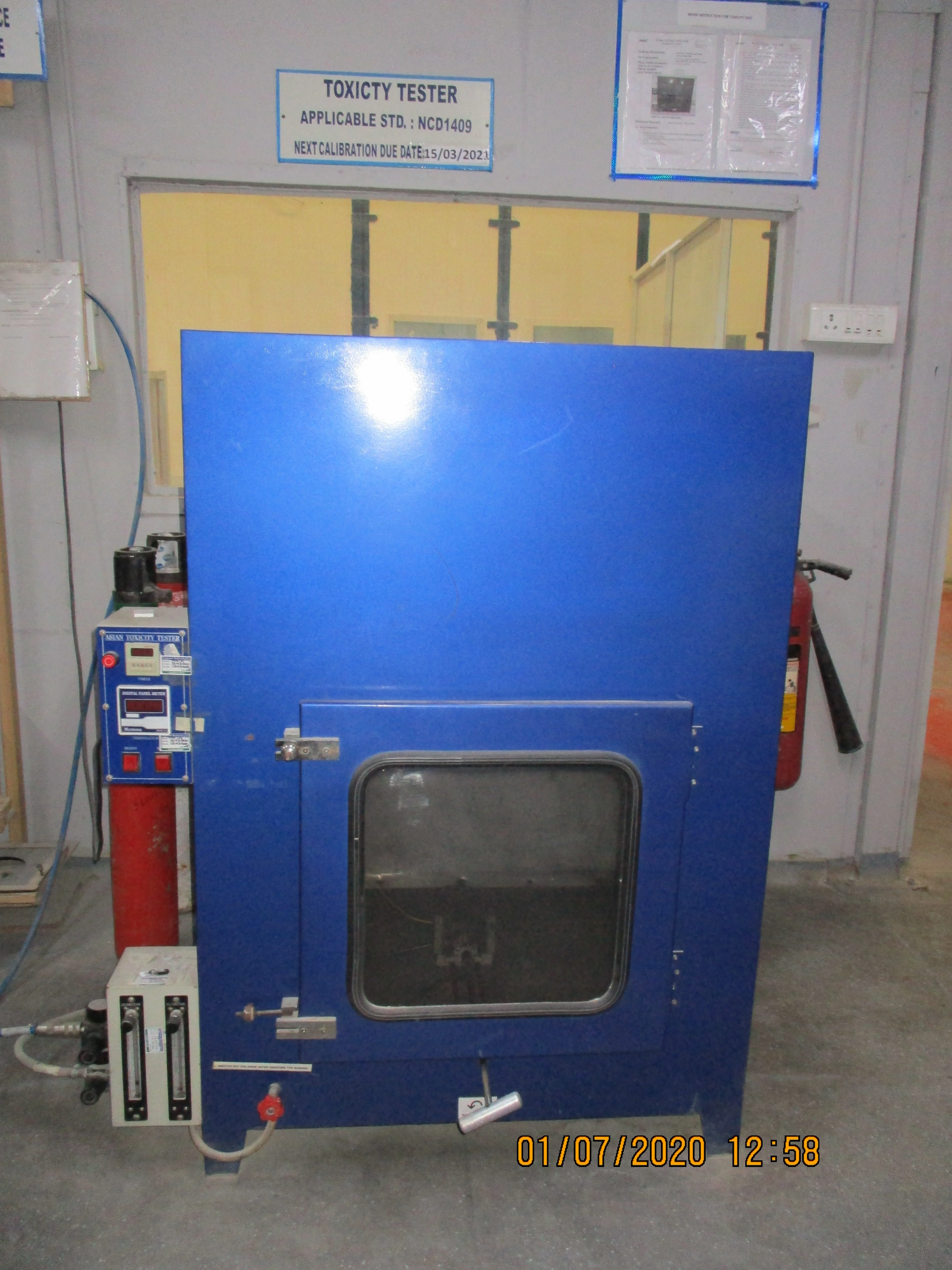
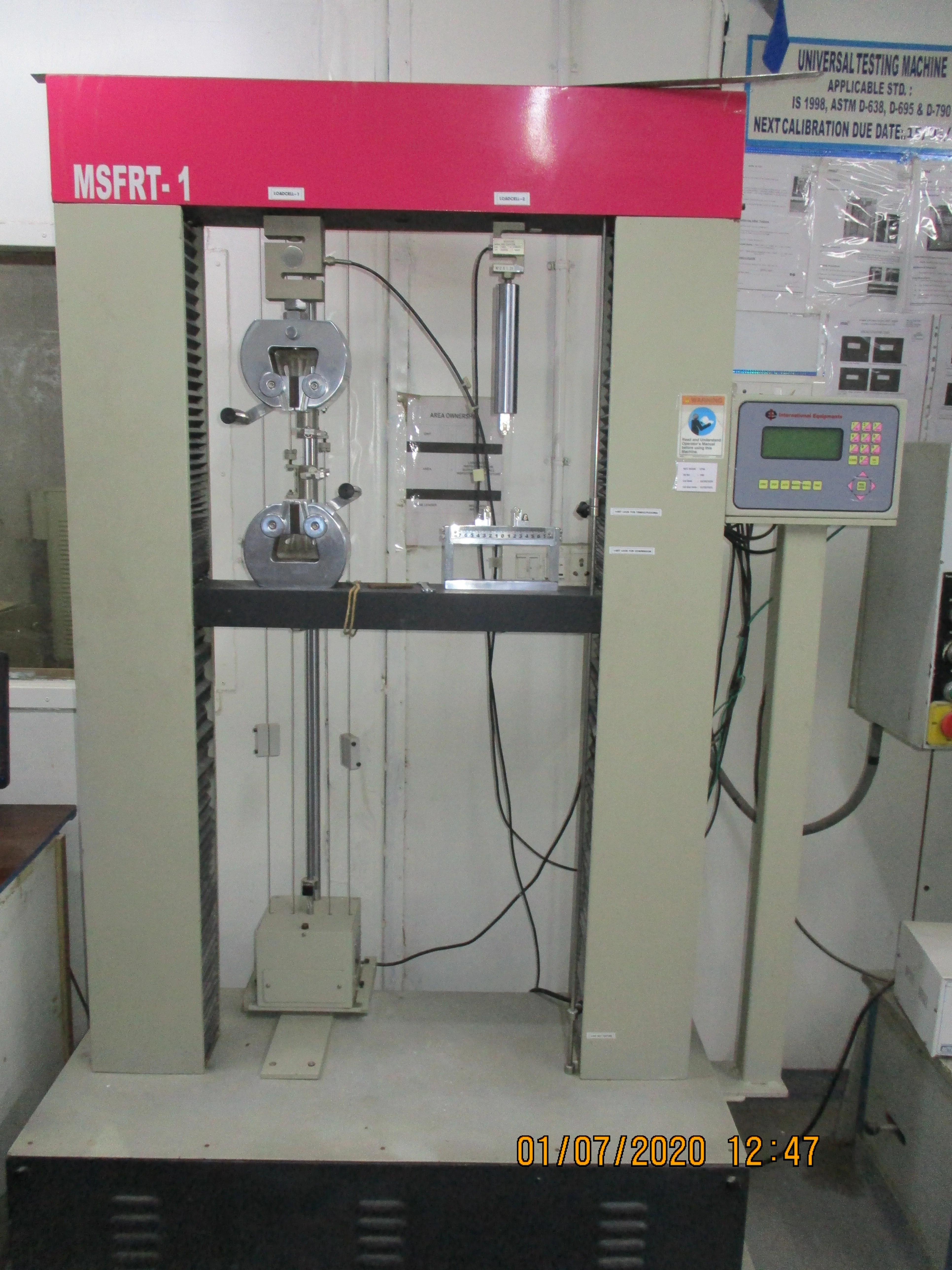
Our Machines
Delivering Composite Solutions with Highest Precision
Manufacturing Processes That We Use

Our strength lies in the design and engineering of complex composite and FRP components, supported by deep expertise in materials and manufacturing technologies. This enables us to function as a reliable partner for diverse industry requirements, including advanced composites India OEM solutions and India composite parts export OEM capabilities.
We utilize a wide range of proven manufacturing processes such as Controlled Hand Lay-up, Vacuum Infusion, VARTM, Vacuum Bagging using Prepregs, Filament Winding, and Compression Moulding to produce high-performance components across sectors, including demanding areas like composites in defence applications India.

1. Hand Lay-up Process

The products manufactured through this process follow the steps below :

Spray Gel Coat

Gel coat provides the required surface smoothness and finish to the product. It is a thin resin layer applied in microns on the surface. With the addition of pigments, the desired color is achieved. This layer also acts as a protective barrier, preventing fiberglass from exposure to water and chemicals.

Surface Mat Layer

A surface mat layer is placed beneath the gel coat to enhance crack resistance and improve the impact strength of the resin layer.

Glass Fiber Laminate

Resin-wetted glass fiber layers are applied sequentially until the desired thickness is achieved. This process, known as lamination, provides the product with structural strength and rigidity. Materials such as chopped strand mat (CSM), woven roving, and uni/bi-directional mats are used depending on strength requirements.

Surface Mat Layer / Resin Coating

Since fiberglass laminate results in a relatively rough surface, a final surface mat or resin coating is applied. This is further refined using a thin Mylar layer to achieve a smoother and more uniform finish.

2. Light Resin Transfer Molding (LRTM) Manufacturing Process

LRTM is a vacuum-assisted resin transfer process that delivers superior laminate compression, a high glass-to-resin ratio, and excellent strength-to-weight characteristics. This makes it ideal for applications requiring both structural performance and surface quality.
In this process, reinforcement materials such as mats or woven roving are placed inside a closed mould, which is then clamped securely. Catalysed, low-viscosity resin is injected under pressure, displacing air and ensuring complete filling of the mould cavity. This controlled process results in consistent part quality and dimensional accuracy.

Key Benefits :
  • High-quality cosmetic finish on both sides with consistent thickness.
  • Improved strength-to-weight ratio due to optimized resin distribution.
  • Faster cycle times leading to cost-effective production.
  • Reduced air entrapment ensuring better structural integrity.
Technical Specifications :
  • Fire & smoke standard compliance: NFF 16-101.
  • Smooth surface finish on both sides, suitable for rail side wall applications.
  • Use of polyester-grade gel coat and resin, along with polyurethane-based paint.
  • High-gloss finish with gloss levels exceeding 90%.
  • Special-grade glass fiber with polypropylene core mat for enhanced performance.

3. Filament Winding Manufacturing Process

Filament winding is a precision-controlled process used to manufacture high-strength fiberglass components with minimal voids and superior structural integrity. This method enables accurate fiber placement, ensuring optimal load distribution and performance across the final product.
With the ability to achieve a high fiber volume ratio of up to 80%, filament winding delivers exceptional strength-to-weight characteristics. The process is particularly suitable for applications requiring uniformity, repeatability, and enhanced mechanical properties in composite structures.

Indigenous Strength. Driving India’s Mobility Revolution.

From advanced FRP components to heavy fabrication and turnkey mobility solutions, MSL delivers precision-engineered systems built for performance, durability, and scale.